Wednesday, 25 March 2020

New task (26.3-2.4) MOTIVATIONAL POSTER. Explanation


WHAT IS A POSTER?

A poster is a printed way of communication, designed to be displayed in public places and read quickly. Its function is to inform, tell or transmit a message.

Posters are designed to be both eye-catching and informative.

PARTS OF A POSTER

Typically, posters include both textual and graphic elements, although a poster may be either wholly graphical or wholly text. For this task we are going to use both elements.

TYPES OF POSTERS

Posters may be used for many purposes: commercial, social, motivational, educational…

WHAT IS A MOTIVATIONAL POSTER?

It is a type a poster that displays a message that tries to encourage, motivate, make people go ahead or think in another way.

Create your own motivational poster related to the situation that we are living nowadays, in order to send a message to whom you choose.

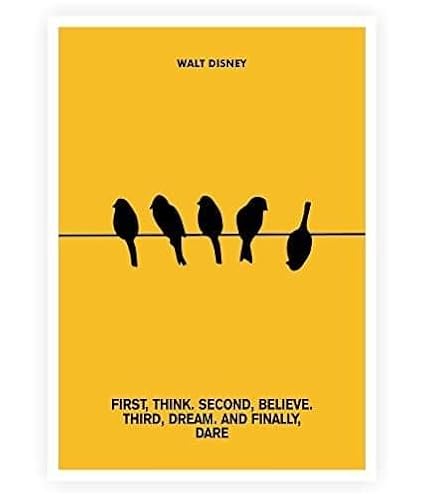
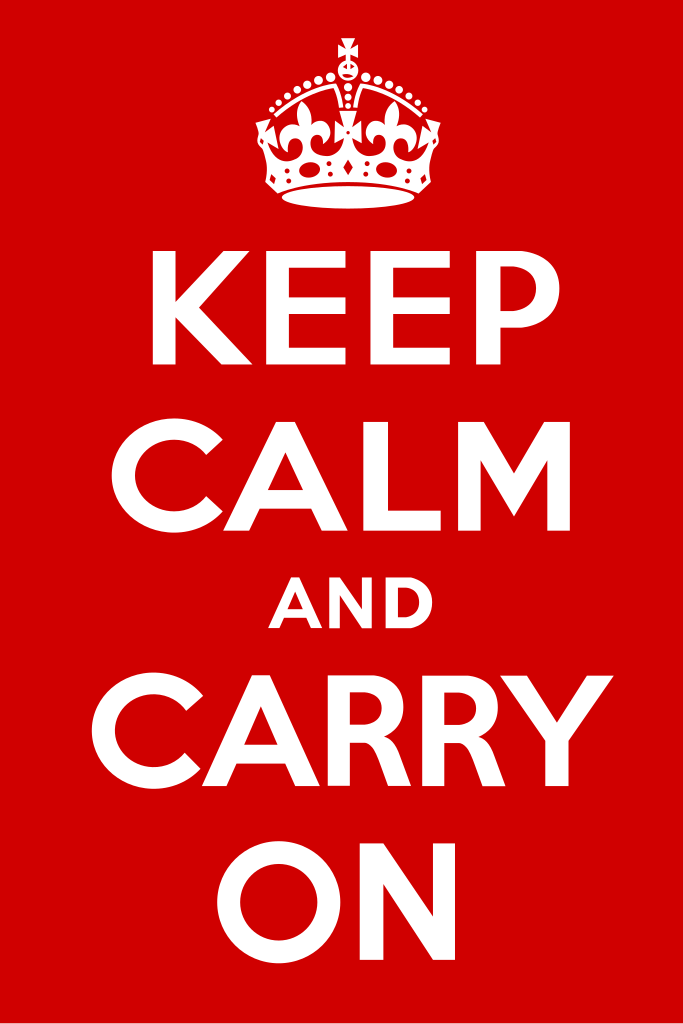
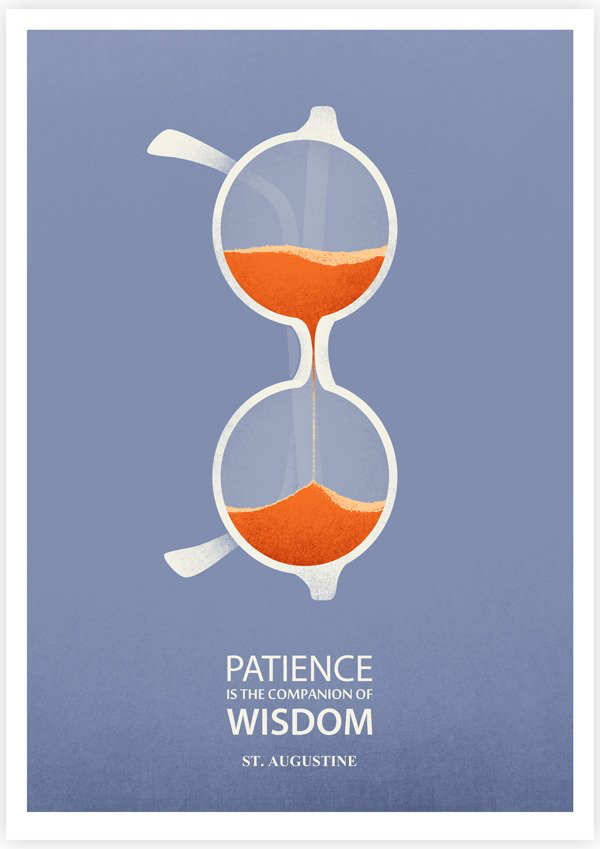
IN THE POSTS BELOW YOU CAN FIND SEVERAL EXAMPLES OF MOTIVATIONAL POSTERS, CREATED IN OTHER SITUATIONS

New Task (26.3-2-4) MOTIVATIONAL POSTER. Examples

Póster We can do it !    Resultado de imagen de motivational poster

Resultado de imagen de motivational poster      Resultado de imagen de motivational poster       


Resultado de imagen de motivational poster

Resultado de imagen de motivational poster    Resultado de imagen de motivational poster

Resultado de imagen de motivational poster    Resultado de imagen de motivational poster

Resultado de imagen de motivational poster    

Resultado de imagen de motivational poster
                             

Wednesday, 11 March 2020

TAREAS PARA ESTA SEMANA EN CASA. EPVA de 1º de ESO

Durante estos días que no tendremos clases presenciales tendréis que realizar los siguientes ejercicios en vuestro cuaderno de bocetos o en unas hojas blancas de tamaño A4. Entregaréis las tareas cuando volvamos a clase. En caso de que esta situación se alargara se buscará otro método de entrega que será indicado en este blog.
Estas actividades serán calificadas como parte del cuaderno de bocetos. Como en las demás evaluaciones, todos los trabajos del cuaderno de bocetos de cada evaluación se califican como otro más de los trabajos prácticos de la evaluación.
Si tenéis cualquier duda podéis poneros en contacto conmigo en esta dirección de correo:     theweesketchbook@hotmail.com

Los trabajos que tenéis que realizar son sobre TÉCNICAS DE SOMBREADO, y son los siguientes:

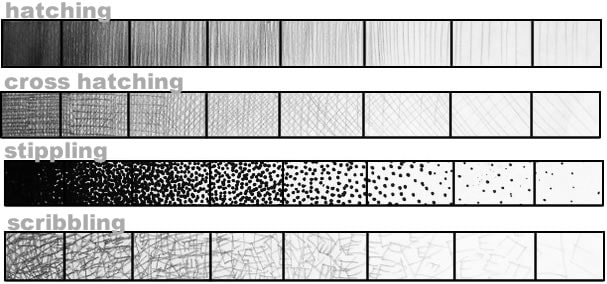
  1.  En el cuaderno de bocetos o en una hoja blanca de tamaño A4 debes dibujar, usando un lápicero HB, las cuatro escalas de claroscuro que aparecen en la entrada de más abajo. Ten en cuenta que cada una de las escalas emplea una técnica diferente. Debajo de la imagen se incluye la explicación de cada técnica.
  2. Usando para cada técnica dos páginas del cuaderno de bocetos o una hoja blanca A4, tienes que dibujar las cuatro figuras que también se incluyen en la entrada de más abajo. Es decir, usa dos páginas del blog, o una hoja A4, para las cuatro figuras realizadas con la técnica de líneas paralelas próximas (hatching), otras dos páginas del blog o un A4 para las cuatro figuras realizadas con líneas entrecruzadas (cross hatching), lo mismo para la técnica de punteado (stippling) y otras dos páginas del blog o el A4 para las figuras dibujadas con la técnica de garabateado (scribbling).
  3. Por último, escoge dos de las técnicas y aplícalas para dibujar una mano con cada una de ellas (como hicimos en la 1ª evaluación usando las líneas, pero esta vez con sombreado). Dibuja cada una de las manos en una de las páginas del blog o ambas en una hoja blanca A4.


APUNTES: SHADING TECHNIQUES

Shading is the process of depicting a range of darkness to create the illusion of volume and light  in a drawing. In order to obtain that, we can use different techniques. We are going to study four of them that use lines to create a 3D effect. The closer the lines are, the darker the surface looks like.
  1. HATCHING: It is the technique that uses parallel lines. 
  2. CROSS HATCHING: It uses lines in two directions, they cross each other.
  3. STIPPLING or pointillism: This technique uses dots.
  4. SCRIBBLING: It uses overlapping movements of the pencil. 
Now, copy the following gradients:

Picture

And now copy the following figures made with the different techniques. For the fourth one, use scribbling instead of blending.


And here you have a video that can help you better understand the different techniques:


COLLAGE

Thursday, 27 February 2020

Arts & Maths Project Report

This assignment is individual: each person in your group has to write their own report. You will write a one page report about your Arts & Maths project. It must be one page long. Please include the following in your report:

- The TITLE of your project.

- An EXPLANATION of what your project is about and how it relates to art and maths.

- Explain the MATERIALS that you are using in your project.

- The PROCEDURE you are following (this means the steps you have done for your project) .

- An ASSESSMENT of how your project is going: What is going well? What is going badly? Have you needed to make changes to your project? Is there anything you want to change in the future?

Wednesday, 19 February 2020

In the sketchbook: collage

This is the first task of the second term. You have to create a landscape collage on two pages of your sketchbook. You must use different pieces of paper from magazines, newspapers, supermarket advertisements, etc.

HEXAFOIL

This is a video that explains how to draw an hexafoil.